

Learn by Doing. Earn While You Learn
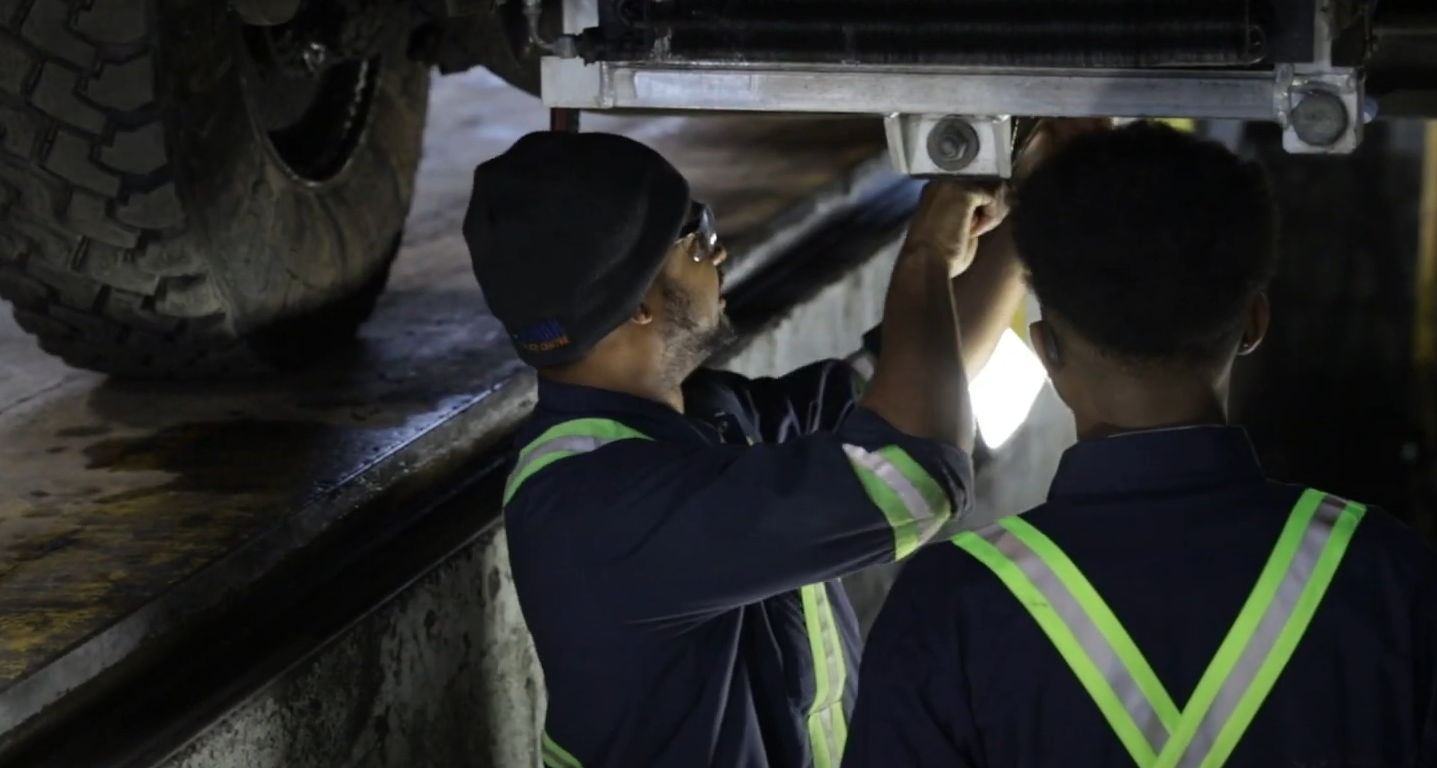
Apprenticeships are paid jobs that provide hands-on training programs for people who want to work in a skilled trade and who enjoy learning by doing.
On this page, learn more about:
- What is an apprenticeship?
- How to prepare for an apprenticeship while still in high school.
- Pathways to an apprenticeship.
- Costs and financial supports.
What Is an Apprenticeship?
As an apprentice, you:
- Learn from experienced mentors.
- Gain real workplace experience.
- Earn a wage while training.
- Build skills that employers value.
- Work toward certification in your trade.
On-the-Job Learning
Most apprenticeship training takes place in the workplace, where apprentices learn directly from experienced tradespeople.
An apprentice is given a Training Standard Manual or Schedule of Training to ensure that they are trained to the standards of skill and safety set by the industry.
Once you have found an employer who is willing to train you, both you and the employer will sign a training agreement. After the training agreement is signed and filed with the Ontario Government, you are considered to be a registered apprentice.
Classroom Learning
Additional classroom learning helps build the theoretical knowledge needed for the trade. This usually takes place at a local community college or another approved training organization.
Certification
After completing the required training, apprentices may be eligible to write a the provincial examination for a Certificate of Qualification for the trade.
There are more than 120 skilled trades in Ontario across a wide range of industries.
How Can I Prepare in High School?
There are many opportunities to explore skilled trades while attending secondary school.
Students can:
- Take technological education courses.
- Participate in programs like:
- Explore careers through My Pathway Planner
- Visit the annual LevelUp Skilled Trades Career Fair.
- Speak with their guidance counsellor about skilled trades pathways
- Participate in specialty programs that connect learning to skilled trades careers

Ontario Youth Apprenticeship Program
Pathways to an Apprenticeship
There are several ways to begin an apprenticeship:
Enrol in Ontario Youth Apprenticeship Program (OYAP)
Explore apprenticeship opportunities while completing your secondary school diploma. If you are enrolled in OYAP, your teacher can support you with next steps after graduation. Learn more about OYAP.
After Graduation
Learn more about how to start your apprenticeship journey after graduation, including finding a qualified employer who is willing to hire and train you, and applying for an apprenticeship.
Through a Pre-Apprenticeship Program
Many colleges, unions and trade organizations offer programs that help students develop foundational skills before entering an apprenticeship. Learn more about pre-apprenticeship training programs.
Through a College Apprenticeship Program
Some programs combine college studies with apprenticeship training and work experience. Learn more about college apprenticeship programs.
Exit Package
Use these checklists to support you as you leave high school to start your education as an apprentice in the skilled trades.
Before You Graduate
- Keep important documents in a safe place:
- Ontario Secondary School Diploma (OSSD), Ontario Secondary School Certificate (OSSC) or Certificate of Accomplishment
- Ontario Student Transcript
- Co-op records, if applicable (i.e. Work Education Agreement and your Personalized Placement Learning Plan)
- Individual Education Plan (IEP), if applicable. It may be possible for you to get similar accommodations when you write your licensing exams.
- Update your resume and portfolio. Be sure to include work experience gained through co-op placements, employment or community service.
- Ask employers or co-op supervisors if they can serve as references.
- Meet with your guidance counsellor or co-op teacher to discuss pathways and next steps.
Explore Your Options
- Research skilled trades that match your strengths and interests.
- Search for an employer who will sponsor you in an apprenticeship, through:
- Employment Ontario,
- YMCA
- Job Skills
- Union or trade associations
- Job ads in the newspapers
- online job banks
- your own network of friends, neighbours, local businesses and former teachers
- Consider a pre-apprenticeship program through a college, union or industry organization if you want additional training and experience.
After Graduation
- Learn more about how to start your apprenticeship journey after graduation, including finding a qualified employer who is willing to hire and train you, and applying for an apprenticeship.
- Explore available financial supports, grants and loans for apprentices.
Before you Graduate
- Keep important documents in a safe place:
- Ontario Secondary School Diploma (OSSD), Ontario Secondary School Certificate (OSSC) or Certificate of Accomplishment
- Ontario Student Transcript
- Co-op records, if applicable (i.e. Work Education Agreement and your Personalized Placement Learning Plan)
- Individual Education Plan (IEP), if applicable. It may be possible for you to get similar accommodations when you write your licensing exams.
- Confirm your apprenticeship registration status and next steps.
- Ensure your apprenticeship records and training documentation are up to date.
After Graduation
- Continue working with your sponsoring employer whenever possible.
- Stay in contact with the organization responsible for your apprenticeship training and registration.
- Learn about upcoming in-school training opportunities and certification requirements.
- Keep records of completed training, hours worked and skills achieved.
- Explore financial supports that may be available for:
- Tools and equipment
- In-school training
- Apprenticeship progression
- Seek support if your employment situation changes or if you need assistance finding opportunities within your trade.
Continue Building Your Career
- Track your progress toward certification.
- Update your resume and portfolio as you gain new skills and experience.
- Explore additional training, certifications and career advancement opportunities in your trade.
Costs and Financial Supports
Because apprentices are paid employees, they earn wages while training. However, there may be some costs associated with apprenticeship training, including:
- tools and equipment
- classroom training fees
- certification-related costs
Financial supports may be available to eligible apprentices.
- Visit Ontario's apprenticeship website and the Government of Canada apprenticeship resources for current information on grants, loans and other supports.
- You may also be eligible for some tax deductions. Visit the Canada Revenue Agency to learn more.

Explore Skilled Trades Careers
Before choosing a pathway, take time to learn about different careers and industries. The resources below can help you explore careers, learn about wages and working conditions, understand training requirements and discover labour market opportunities.
Explore Careers