

Build skills beyond the classroom.
Co-op lets students earn secondary school credits while gaining real, on-the-job experience in a workplace setting.
Students split their time between:
- Classroom learning, where they learn essential workplace skills, and
- A workplace placement, where they apply what they’ve learned in a real work environment.
Cooperative Education programming is the foundation to the following specialized programs:
- Alternative Learning Experiential Program (ALEP)
- Exploring Opportunity Program (EOP)
- Ontario Youth Apprenticeship Program (OYAP)
- Specialist High Skills Major Program (SHSM)
What does the program look like?
In the classroom
Students spend time in class learning:
- health and safety
- employability skills and workplace professionalism
- job-search skills, including resume writing and interview practice
In the workplace
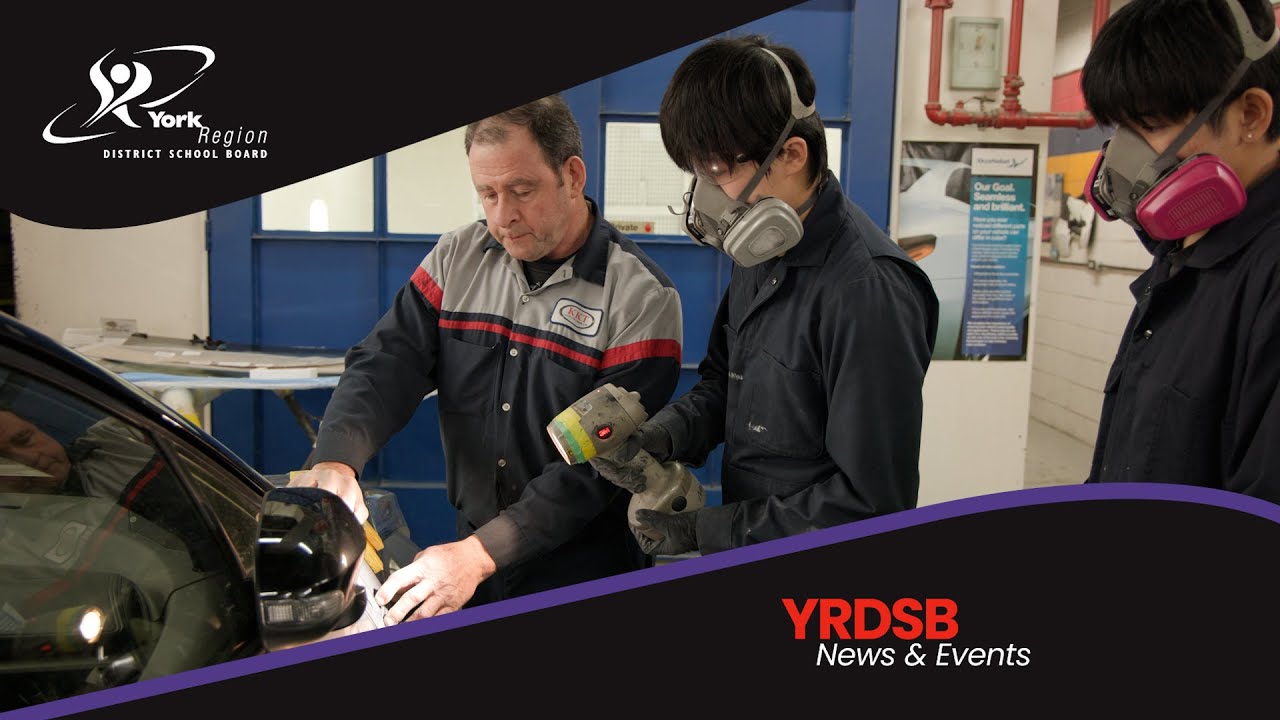
Teachers work with students to find a suitable placement aligned with your interests and career goals, for example with a local business or community organization. In the workplace, students:
- Gain hands-on experience.
- Learn from a workplace supervisor.
- Complete a minimum number of placement hours (for examples, 220 hours for a two-credit co-op).
Co-op teachers work with students and placement supervisors to develop a learning plan that supports each student’s strengths, interests and needs.
Other co-op opportunities
Centralized Cooperative Education Placements
Students may also apply to centralized placements, which offer unique opportunities with community partners including hospitals and placements in the skilled trades. Centralized placements have limited spaces and students are selected based on qualifying factors. Applications typically open in May for semester one for the following school year, and November for semester two. For more information, please contact the Cooperative Education department at your school.
Summer Co-op Programs
Students can earn one to two credits participating in a work experience program through summer Cooperative Education (Co-op) and Alternative Learning Experiential Program. Learn more about summer co-op opportunities.
Skilled Trades Exploration and Readiness
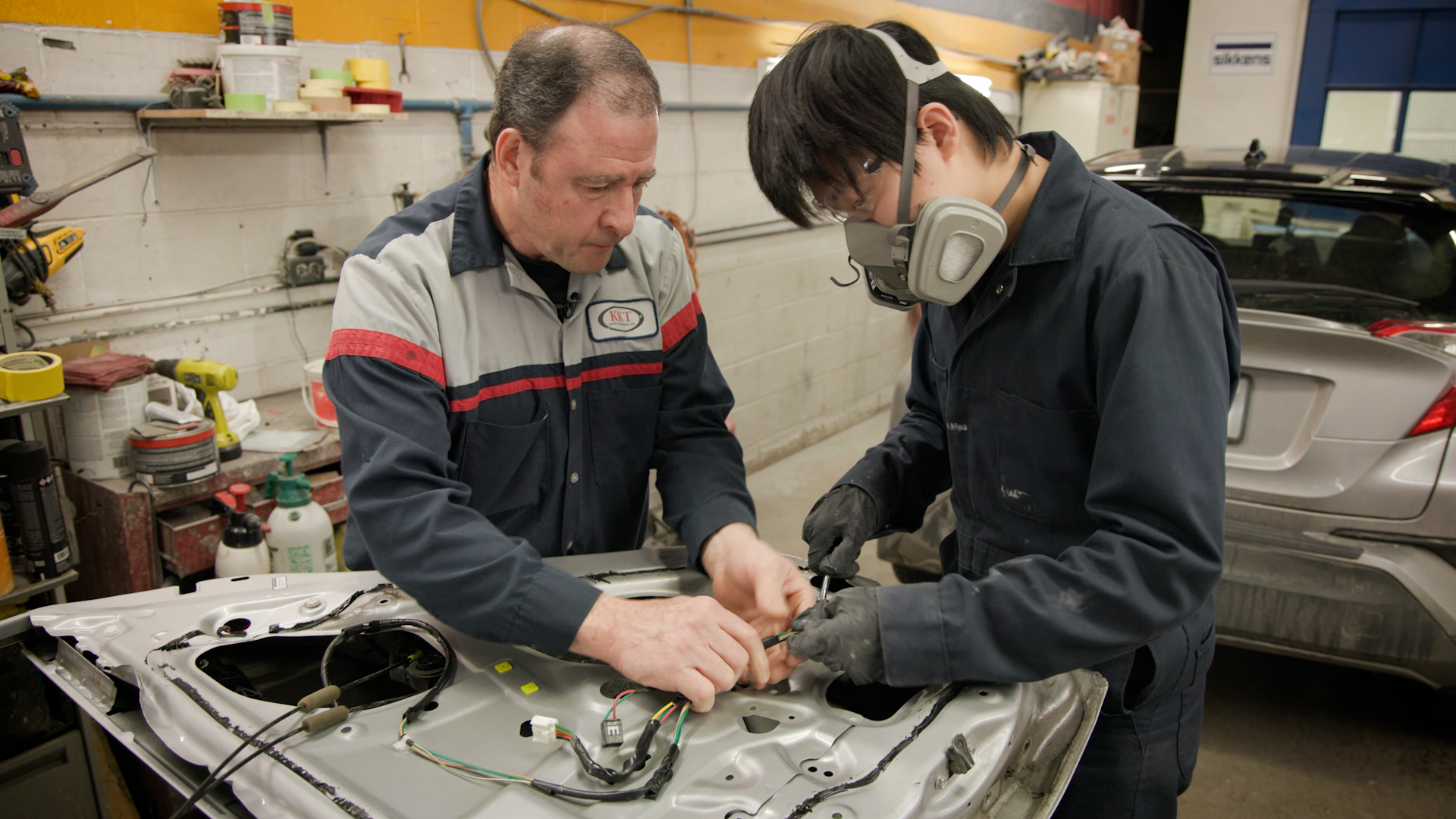
Co-op can also be used to explore skilled trades careers. Gain hands-on experience, from two to four high school credits, industry certifications, and technical and transferable skills. Students may also participate in specialized programs, such as OYAP, SHSM and Dual Credits. S.T.E.A.R. can be accessed through a student’s home school cooperative education or ALEP program. Students can earn from two to four high school credits as well as industry certifications.

What are the benefits?
Students who take co-op can:
- Gain valuable knowledge, work experience and transferable skills.
- Explore career interests before making post-secondary decisions.
- Build confidence, maturity and professionalism.
- Strengthen employability skills.
- Develop networking opportunities.
- Earn credits towards your Ontario Secondary School Diploma.
- Complete one of the program requirements of the Specialist High Skills Major program.
- Can participate in specialized programs such as OYAP, SHSM, Dual Credits.
- Strengthen applications to apprenticeship, college, university or the workforce.
Who is cooperative education for?
Co-op is open to all students in Grades 11 and 12, whether you’re thinking about apprenticeship, college, university or going straight into the workforce.
Co-op may be a good fit for you if you:
- Want to explore a career path or area of interest.
- Are motivated to learn in a workplace setting.
- Want to build transferable skills and gain on-the-job experience
- Can demonstrate responsibility, reliability and professionalism.
Where is cooperative education offered?
Cooperative Education is offered at all YRDSB secondary schools
How and when do I apply?
Students apply through the regular course selection process by choosing a cooperative education credit
For more information
To learn more, speak to your Cooperative Education department or guidance counsellor.

Explore your options
Frequently Asked Questions
Students do not normally receive a salary or wage for the hours stated on their Work Education Agreement as this is an education program in which students earn credits. You are, however, eligible to receive an honorarium or an expense and/or transportation allowance from your placement if they should offer it. If students stay at their placement beyond the hours specified on the Work Education Form, they may be hired as employees and paid. Such an arrangement shall not involve the school or the teacher.
Health and safety instruction is mandatory for anyone participating in Cooperative Education programs. Safety is a shared responsibility of your teacher, the placement supervisor and more importantly you.
Most students participating in Cooperative Education programs are covered under the Workplace Safety and Insurance Act, 1997. To ensure coverage, a Ministry of Education Work Education Agreement form must be completed and signed by all parties prior to student placement. This insurance coverage, arranged through the Ministry of Education, applies only to the hours stated on the Work Education Agreement. If an amendment to the hours stated on the Work Education Agreement is required, a note (signed by all parties) must be appended to the Work Education Agreement Form in order to ensure insurance coverage for the student. It is the student's responsibility to obtain this approval. Students who receive hourly wages or a salary for their experience must be covered by the employer for Workplace Safety and Insurance Act coverage.
Liability Insurance
Students and training organizations are insured against a lawsuit arising out of the negligence of the student while performing the duties of the co-op placement. The Board does not cover personal injuries to the student.
Student Accident Insurance
Student Accident Insurance is made available to all York Region District School Board students. This insurance is optional and is paid for by students and parents. All Cooperative Education students are strongly encouraged to purchase a policy.
Participation in some placements may involve additional costs to you or your family. Please check with the Cooperative Education department in your school to find out what options are available to provide assistance to those students whose financial circumstances make it difficult for them to participate.
See the Cooperative Education or Guidance departments in your school.