
Overview
School boards are required to complete and submit to the Ministry of Education an annual report on the implementation status of the Student Mental Health Policy/Program Memorandum 169 requirements, along with their three-year mental health and addictions strategy, and one-year action plan. The one-year action plan must have a comprehensive framework that includes the requirements outlined in the Student Mental Health Policy and Program Memorandum and a plan for how each component will be evaluated and measured.
One Year Action Plan for 2026 - 2027
The Student Mental Health and Addiction Strategy was launched in Fall of 2022. YRDSB’s one year action plan builds on the achievements of the strategy so far, and prioritizes the actions from the Student Mental Health and Addiction Strategy to be addressed in the 2026-27 school year. The one-year action plan also highlights the school board's progress in the implementation of the 11 requirements of Student Mental Health PPM169. Participation in professional development for staff, symposiums for students and webinars/ supportive events for parents/caregivers will be monitored and acquisition of skills and knowledge will be evaluated for all of the priority areas.
Priority #1: Three-Year Mental Health and Addictions Strategy and One-Year Action Plan
Co-created in Fall 2022, the YRDSB Student Mental Health and Addiction Strategy “ Within Us, Between Us, Around Us” was developed with extensive community and stakeholder consultation and input. The 2026-2027 action plan builds on the achievements of the Strategy so far, and outlines YRDSB’s plan to continue to address the 11 requirements from PPM169.
The YRDSB Student Mental health and Addiction Strategy will be revised in 2026-2027 school year. The revision will be undertaken with extensive key collaborator consultation including students, families, staff, and community.
Priority #2: Enhanced Educator / Staff Mental Health Literacy
YRDSB continues to offer high-quality, evidence-informed provincially and locally developed mental health and addictions literacy for all staff so that they can embed mental health promotion and substance use prevention into the education experience for students and help to foster safe, and welcoming environments.

Key Actions
Continue to support professional learning related to the Ministry of Education mandated mental health literacy curriculum.
Continue to promote trauma sensitive practice guidelines, and professional learning for educators and student support staff. In the 2026–27 school year, provide school administrators with a concise tip sheet aligned with the newly released School Mental Health Ontario (SMHO) guidelines and YRDSB’s Trauma‑Informed Approaches to support consistent implementation.
Provide practical guidance for educators and staff on identity‑affirming social‑emotional learning (SEL) aligned with the recently released SMHO guidance.
As part of the YRDSB Student Suicide Intervention Protocol, continue to offer ASIST (Applied Suicide Skills Intervention training) to teachers, school administrators, social workers, psychology staff, and some community partners. Continue to provide safeTALK (suicide awareness) to school staff as well as parents/and guardians.
Priority # 3 : Reviewing and Revising Mental Health Policies and Protocols
We will develop, design, implement and/or revise mental health focused protocols/policies and learning environments/spaces with a focus on identity affirming, culturally responsive approaches.
Key Actions
1.Explore new and ongoing learning reviewing data from a variety of sources as well as the health and physical education curriculum to promote and incorporate mental health literacy across diverse student groups.
Priority #4: Mental Health Literacy Learning for Students
YRDSB will strengthen student mental health literacy by supporting identity‑affirming, culturally responsive student leadership (Grades 6–12) and co‑developing a Student Leadership Framework with students.
Key Actions
1.Support sustainable implementation of the mandatory mental health literacy modules for grades 6, 7 and 8 through health and physical education and grade 10 students through the careers curriculum.
2. In alignment with PPM128 (The Provincial Code of Conduct and School Board Codes of Conduct) continue to build awareness and education regarding the impacts of vaping and mental health, and technology/screen time and social media use and mental health.

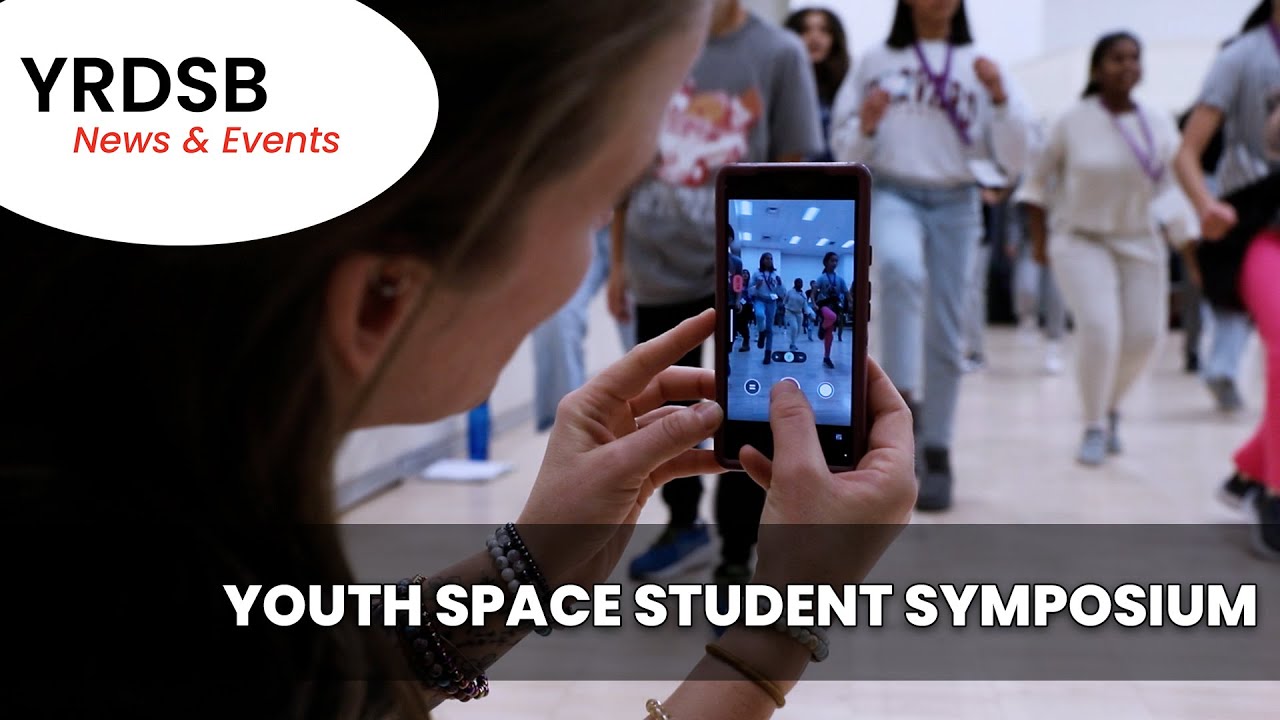
3. Continue to support Youth S.P.A.C.E. (Student Promoting Awareness, Connection and Empowerment) by advancing student leadership and collaboration to support implementing the Mental Health and Addiction Strategy and strengthen mental health literacy and reduce stigma around mental health and substance use.
4. Continue to offer the LAMPS – Learning About Mental Health Presentation Series (LAMPS). These interactive virtual workshops for students grade 1-12 and parents/caregivers focus on mental health literacy, and social emotional learning topics identified by students and families.

Tune In YRDSB: Social Anxiety and Supporting Healthy Relationships
Tune In YRDSB: Supporting Student Mental Health During Exams

Priority # 5: Multi Tiered Systems of Support Centering Joint Local Community and Parent Engagement / Planning
Key Actions
1. Review and refine the Multi Tiered Systems of Support aligned service delivery model, expand and monitor student mental health group counselling, and collaborate with Kinark to implement Right Time Right Care and assess its impact on school‑based supports.
2. Continuing the implementation of the Collaborative Relationship with external services (CRES) process with external mental health partners, allowing these agencies to provide free, in‑school services to students during the instructional day.

3. Raising awareness and understanding of “mental health absences” as a valid option, including communication to families through School Start Up materials
4. Adopting a “Nothing about us without us” mindset when partnering with caregivers and families.
Continue to support the Learning About Mental Health Presentation Series (LAMPS) for families and caregivers.
Continue to collaborate with community, parent and family collectives (ie PEAC, School Councils) in order to learn from family members and be more responsive to student mental health needs.
Priority # 6: Consistent Use of Evidence-informed brief interventions.
Key Actions
1. Continuing use of remote mental health services using a virtual care platform when it is the most appropriate or accessible delivery vehicle to meet student needs.
2. YRDSB mental health personnel departments will continue to implement evidenced based service delivery with measurement based tools to monitor progress.

For more information
For more information about this report, please contact us.