



Grades 1, 2, 3 (Primary)

Starting Grades 1, 2, 3 (Primary) marks a new stage in your child’s learning journey. Our goal is to support your child in building confidence and learn in ways that reflect who they are.
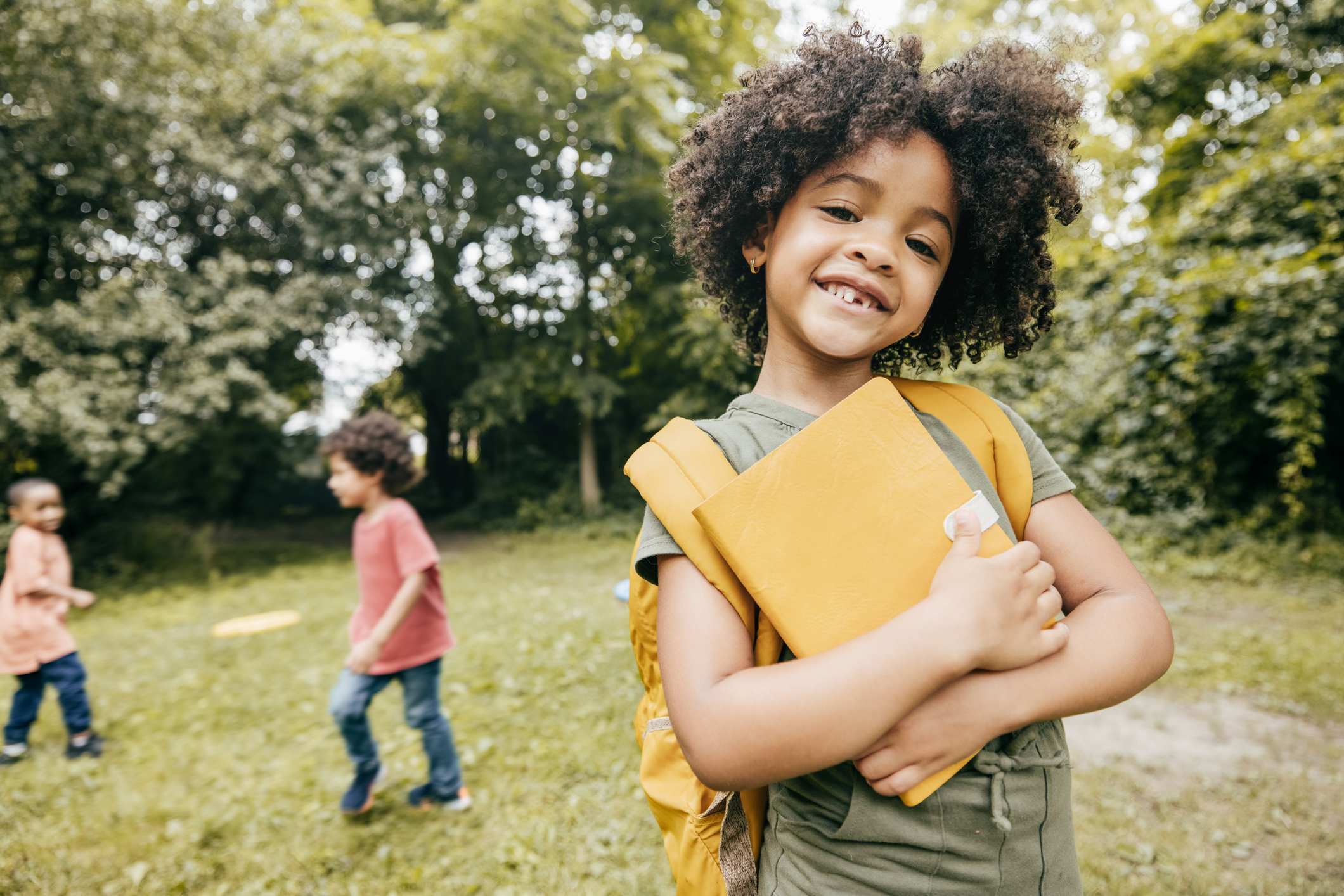
In Grades 1, 2, 3 (Primary), children continue to build on their learning and experiences. They continue to learn through play and exploration, while also taking on new experiences in reading, writing, math and problem-solving. Educators strive to create caring, inclusive classrooms where curiosity, independence and collaboration are encouraged, helping each child grow and thrive at their own pace.
Supportive Strategies
Each new stage brings growth and new skills. As your child moves into Grades 1, 2, 3 (Primary), familiar routines and relationships will provide comfort and confidence.
Share with your child what is ahead in everyday conversation:
“In Grade 1, you’ll learn new things and still have time for play.”
“You might meet a new teacher and make new friends.”
“Sometimes change feels big. We can take a deep breath together.”
Use stories, books, and memories to support your child in making connections to other new experiences:
“I remember when you started [Kindergarten, Preschool, Daycare, Montessori, going to grandparents, etc.], look how much you’ve grown.”
“When I start something new, I take slow breaths to help my body feel calm.”
Books about change can help open conversations (for example: The Invisible String by Patrice Karst).
Notice and name feelings your child might be experiencing to start conversations:
“You might feel nervous and excited at the same time”.
“How do you feel when you think about your new class?”
Routines help children feel secure as school days become longer and expectations shift. Predictable patterns, clear language, and small choices build confidence.
Move through routines together with your child:
“Let’s pack your backpack together.”
“After breakfast, we’ll walk to the bus stop.”
Use visuals and reminders to help with transitions:
“Five more minutes, then we put on shoes.”
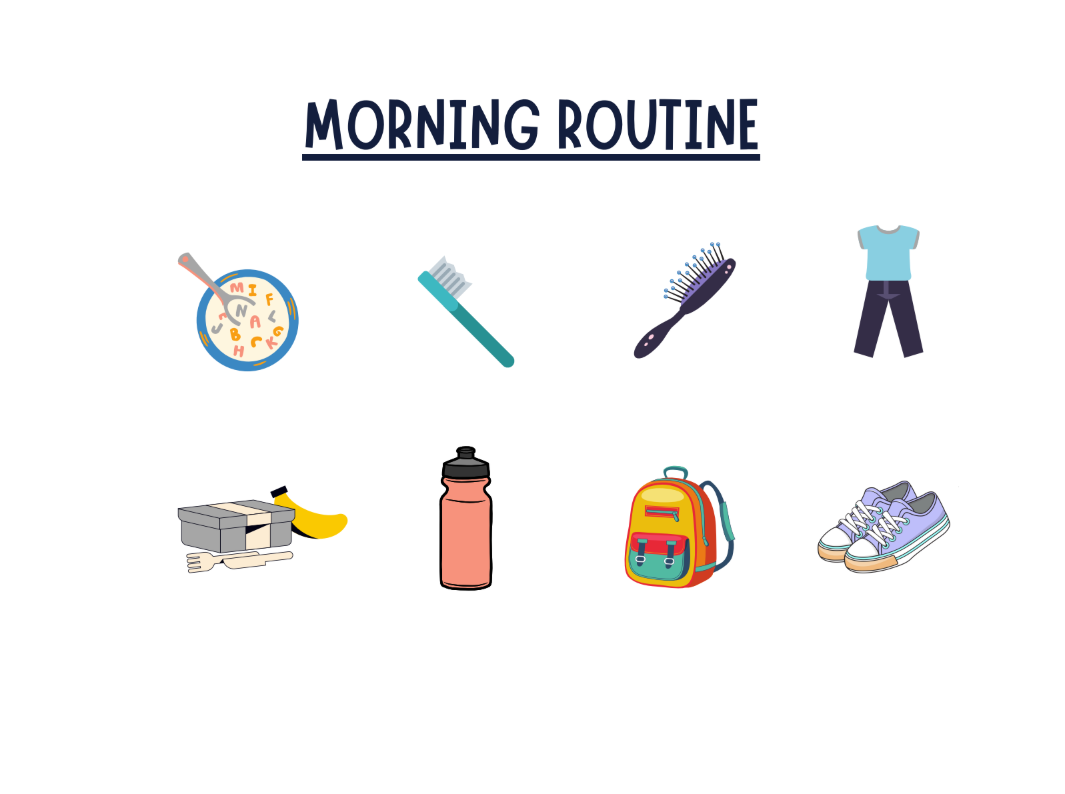 Example of a Visual Morning RoutineExample of a Visual Morning Routine
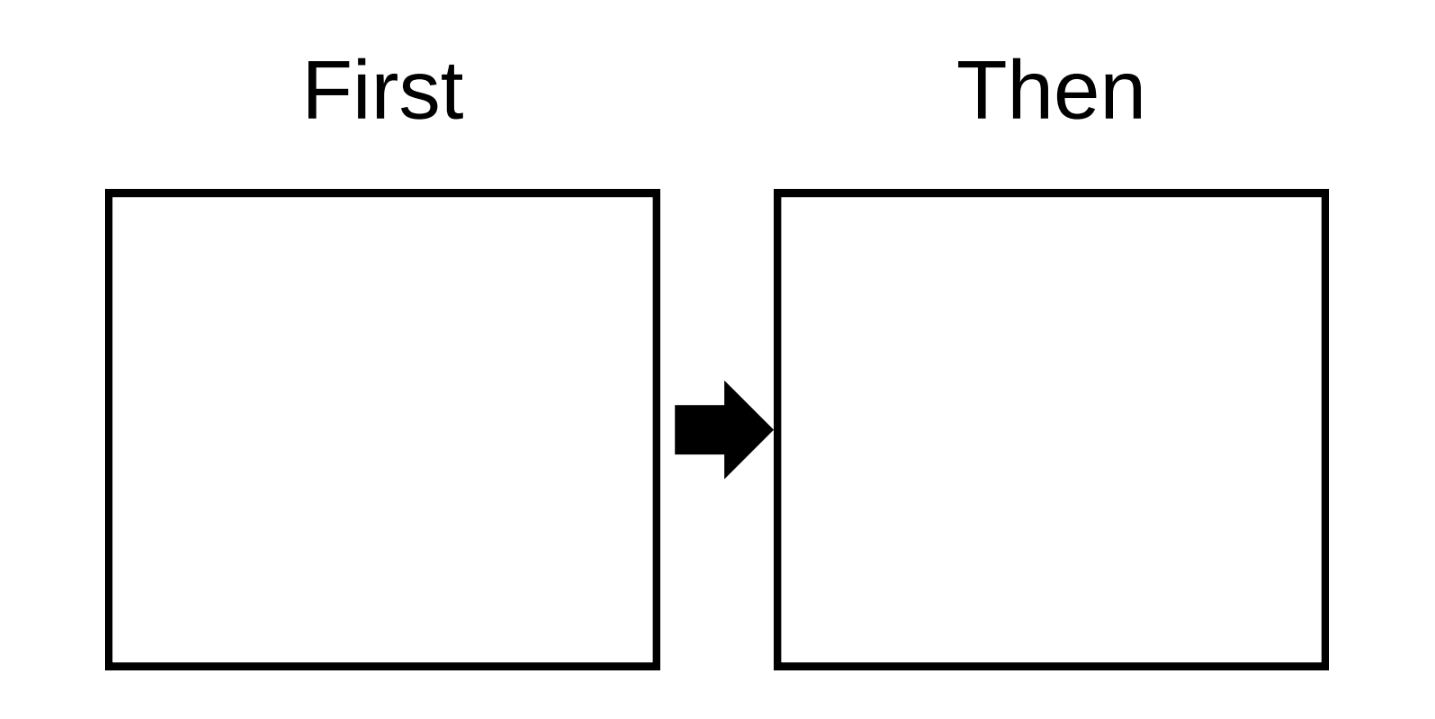 Example of first/then board
Use play and humour when making a transition to support collaboration:
“Let’s see if we can clean up before the song ends. Are you ready?
Let’s make a secret handshake that we can do when I drop you off.
Provide choices to support your child’s voice and choice:
"Do you want to carry your lunch bag or your water bottle?”
Familiarity helps children feel ready. Some ways you can do this are by visiting the school yard and playground, or looking at school photos together
Point out what will be familiar and what might be new this school year:
“You’ll still have story time, but sometimes you might get to work by yourself, too!”
“You’ll see new teachers and helpers who can help you.”
“You’ll still see friends from Kindergarten, and now you’ll get to play in the big yard!”
Encourage your child to ask questions and problem-solve together:
“If you need help, what could you say to your teacher?”
Children thrive when families and educators share information and strategies. You know your child best!
Your insights help the staff understand your child’s needs. Let the staff know what helps your child:
What helps them feel calm? (e.g., deep breathing, listening to music, quiet time in a cozy space)
How do they show they need a break? (e.g., getting quiet, covering their ears, saying “I need space”)
What routines or words work well? (e.g., using a visual schedule, saying “first/then,” offering simple choices)
Small reminders of home can ease the transition. A photo, note, or small keychain can stay in the backpack as a quiet comfort.
Gentle reminders can help your child feel connected:
“This photo reminds you of home. You can keep it in your backpack.”
“You carry our love with you all day.”
“I’m excited to talk to you about your day when you get home.”
Grades 4, 5, 6 (Junior)
The junior grades introduce new experiences and ways for students to grow as learners. Your child may be continuing in a familiar school or joining a new one. These years bring new opportunities to connect, explore interests and contribute in different ways.
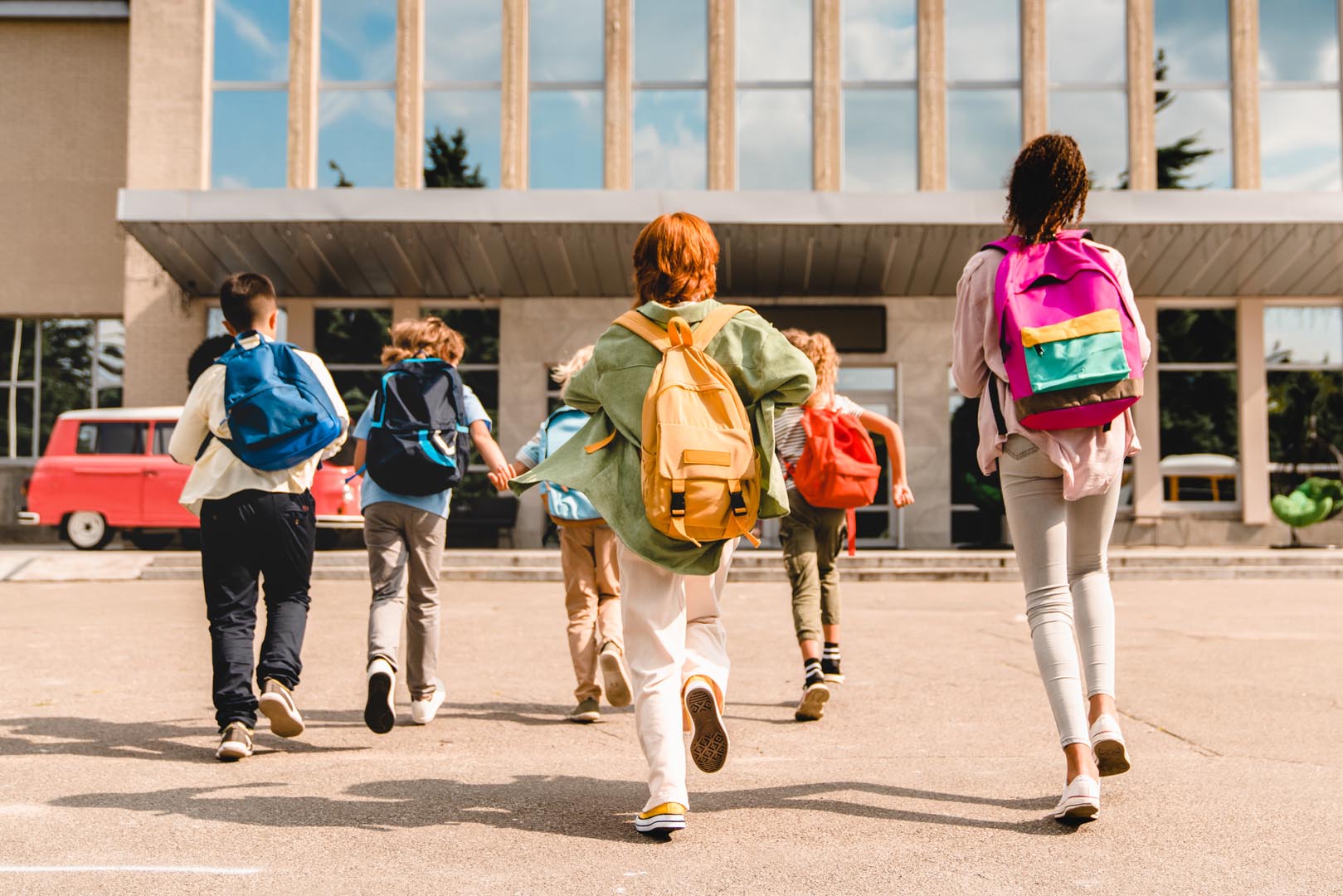
Students may take part in group projects, sports, club, or leadership experiences that help them learn more about themselves and others. These experiences support growing friendships, responsibility, and a sense of community within the school.
The junior years build on the foundations of the primary grades while offering space for curiosity, independence and belonging to grow side by side.
In the junior grades, students may:
Dive deeper into reading, writing and problem-solving, using what students already know to think critically and creatively.
Work more in groups and partnerships, learning how to share ideas, listen to others and collaborate toward common goals.
Take on more responsibility for routines and school work. This can include skills like planning, managing time, remembering what to bring and getting started on tasks. These planning and thinking skills are often called executive functioning.
Explore ways to get involved at school, such as clubs, arts activities, student groups, leadership roles or sports. Being part of school life can help students build skills, confidence and connections with others.
Discover new interests through music, art, performances and extracurricular activities that encourage creativity and self-expression.
Grades 7 and 8 (Intermediate)
The intermediate years bring new experiences and chances to grow as a learner and leader. Expectations may feel different, and you’ll take on more responsibility for your learning. This is also a time to discover more about yourself (your interests, strengths, and values) and how they connect to your future goals.
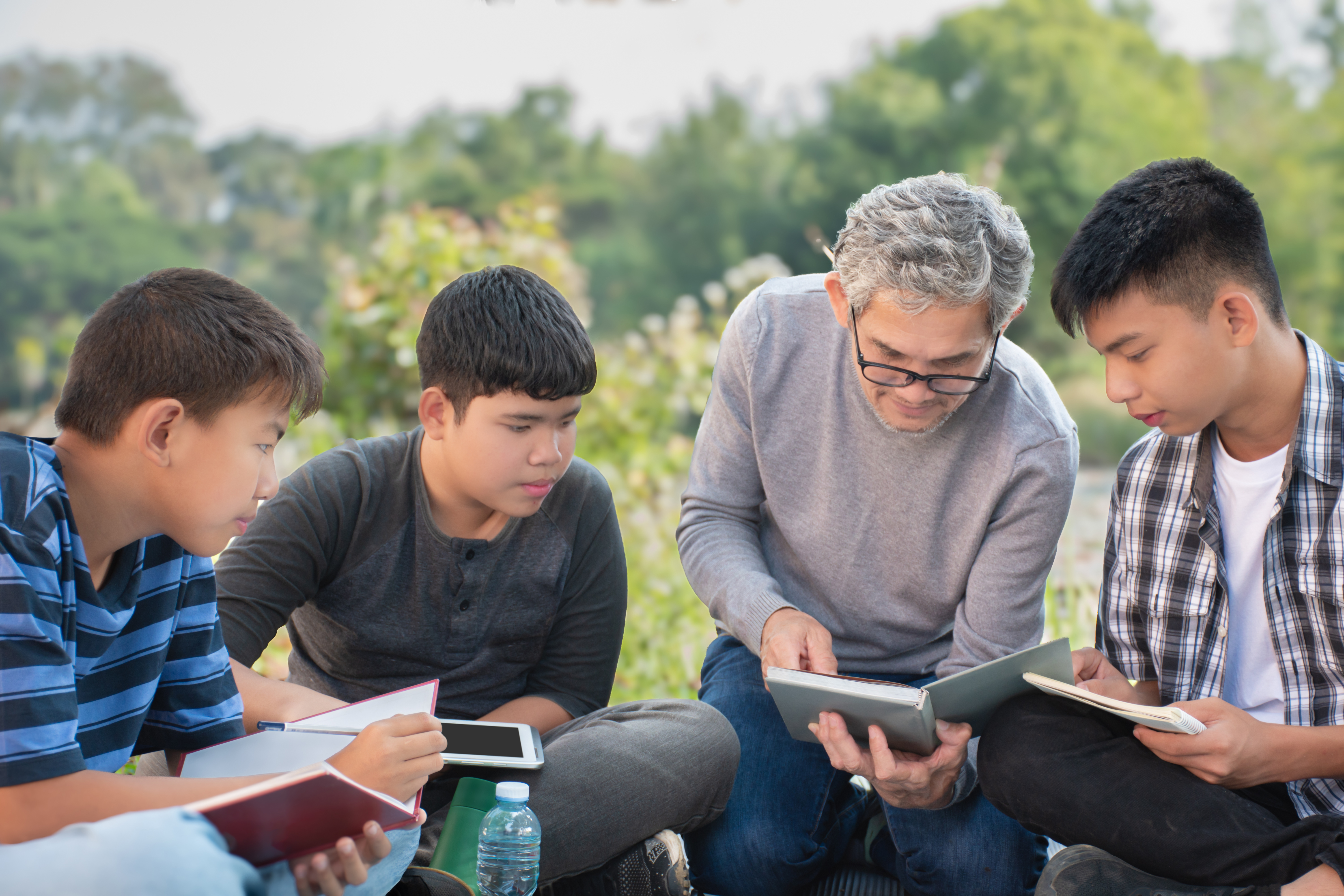
During the intermediate years, your child may:
Build Executive Functioning Skills
As students move toward secondary school, they begin to manage more parts of their day on their own. This includes skills like planning, staying focused, remembering what to bring, managing time and getting started on tasks. These skills are often called executive functioning, and they continue to grow with practice and support. Some families explore these skills together in everyday ways, such as:
planning out the day or week and talking about what’s coming next
breaking bigger tasks into smaller, manageable steps
using reminders, checklists, or visual supports to stay on track
talking through how to start a task and what to do if it feels hard
These supports can be helpful across different school settings and can be adjusted as your child’s needs and confidence change.
Take part in sports and extracurricular activities
Opportunities may include school teams, clubs or activities with tryouts, competitions or tournaments. These experiences support teamwork, commitment and a sense of belonging.
Explore leadership opportunities
Some students choose to mentor younger students, join the student council, help plan school events or take part in clubs and groups. Leadership can look different for every student and may grow over time.
Strengthen advocacy skills
Students continue learning how to recognize what helps them learn and participate. For students with an Individual Education Plan (IEP), this may include becoming more familiar with their accommodations and supports, so they can share their needs with confidence, when ready.
Grades 7 & 8: Building Your Skills and Confidence
Focus: Learning more about yourself, your strengths, and what helps you succeed at school.
Action Steps for Students & Families
1. Explore Your Future
Start thinking about what you might like to do after high school. There are many different pathways, including college, university, apprenticeships, skilled trades, community programs, and the workplace.
Try exploring:
- Your interests and hobbies
- Activities you enjoy
- Subjects you feel confident in
- Skills you would like to build
Remember: there is no single “right” pathway.
2. Learn About Secondary School
Get to know how secondary school works. Check your high school’s website. You can learn about:
- Class schedules
- Different courses
- Clubs and sports
- Arts and leadership opportunities
- School supports and resources
Secondary schools work to create learning spaces where all students can learn, participate, and feel included.
3. Be Part of Your Individual Education Plan (IEP) Conversations
Your voice matters. Work with your family and Special Education Resource Teacher to talk about:
- What helps you learn best
- Tools or technology that support you
- Classroom changes that help you focus and participate
- Goals that are important to you
The goal is to help you feel confident and supported as you move into Grade 9.
4. Build Advocacy Skills
Advocacy means learning how to speak up for yourself and ask for what you need.
This might include:
- Asking questions
- Sharing ideas
- Talking about what helps you learn
- Letting adults know when something is difficult
- Celebrating your strengths
5. Find Your Community on Your High School Website
Being connected at school is important. Explore ways to get involved and meet people who share your interests.
You might try:
- Clubs
- Sports teams
- Arts programs
- Leadership groups
- Student activities and events
Finding community can help students feel welcomed, included, and valued.
Who Can Help?
You can connect with:
- Your teacher
- A Guidance counsellor
- Student Services staff
- Your Special Education Resource Teacher (SERT)
- Coaches, club leaders, or caring adults at school
Families and school teams can work together to support a positive transition to high school.
Questions for Students & Families
- What are my strengths and interests?
- What helps me learn, focus, and participate at school?
- What goals do I have for high school?
- What supports or tools help me feel successful?
- Who are the trusted adults I can go to for support?
- What activities or groups might help me feel connected at school?
- How can my voice be included in transition and IEP conversations?
Resources
- STEPS Program: A program starting in Grade 7 that helps you get better at using learning technology and speaking up for what you need.
- Parent Workshop Series: Online sessions for Ontario families to help you plan together for the move from elementary to secondary school.
Resources
Special Education. The referral process is the way schools and families work together to understand a child’s learning strengths and needs to plan the right supports. The goal is to support the student academically, socially, and emotionally.
Multilingual Language Learners. The YRDSB’s English as a Second Language page highlights that schools provide support for Multilingual Learners as they build English skills in school.
French Immersion - In Grade 1, families have the opportunity to enroll in the French Immersion program, which starts in Grade 1. Please click the link if you would like more information on French Immersion Program Locations and Information Nights.
Core French - mandatory from Grade 4 to Grade 9. All students in English-track schools take Core French unless they are in French Immersion. It helps students build basic French skills like speaking, reading, and writing.
