



Adulthood Pathways
As your child moves toward life after high school, their voice, identity and choices are central to the process. Every path into adulthood is different. Families, caregivers and school teams can work together to build a shared vision that reflects your child’s strengths, interests and rights.
This planning is about belonging, connection and possibility.

Pathways
There are four pathways:
- Transition to day programs
- Transition to post-secondary education
- Transition to workplace
- Transition to community participation and engagement
Explore options together. Notice what brings your child joy and meaning.
Connect with educators or guidance staff to explore opportunities and supports that align with your child’s goals and learning style.
Encourage your child to grow skills like communication, self-advocacy and understanding emotions, while recognizing that everyone thrives with community and support.
Goals may shift, and that’s okay. Every journey is unique.
Day Programs
Day programs are a pathway some young adults with developmental disabilities or intellectual disabilities may explore after high school. These programs offer ways to spend time in the community, connect with others, explore interests, and practice everyday skills beyond high school.
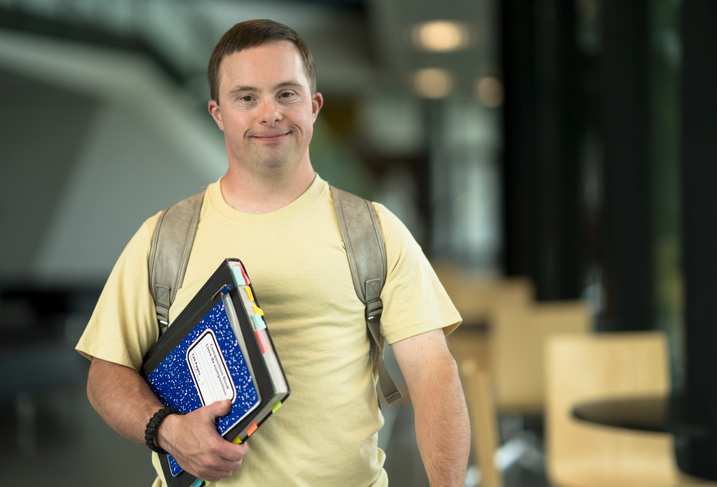
There are many different day programs across York Region and Ontario. Each program is different. Programs may offer different activities, schedules, and types of support. Some day programs are funded through Developmental Services Ontario (DSO). To access these programs, families need to register with DSO and may need to wait for a funded space. Other programs are fee-for-service, meaning families pay for them directly. If a young adult is eligible for Passport Funding, this funding may help cover some program costs.
Many day programs run during the daytime on weekdays. Some programs may offer different schedules or added options, depending on the community and the program. Transitions are most supportive when a young adult’s goals, strengths, and support needs are centred, and when they are included in conversations about their future.
Day programs offer different activities to engage in and develop skills through:
- Community activities
- Making social connections
- Daily routines and life skills
- Work or volunteer experiences
- Support with personal goals
- Employment preparation
Each program is unique and offers a mix of opportunities.
Day programs offer different levels of support. Support levels are decided by the program, not the school, and may look different from one program to another.
Some programs offer a small amount of support, such as reminders or help with certain tasks.
Other programs offer more regular support during activities or transitions.
Some programs offer a high level of support, including help with daily routines, communication, mobility, or personal care.
Support needs may change over time, which can affect program choices and costs.
Families are encouraged to connect with the DSO around age 16 so that needed supports are ready as students move toward adult services or a day program. If a day program is part of the student’s future plans, it’s helpful to start learning about different options and reaching out to programs early, as some may have waiting lists. Planning ahead gives students time to build important skills and feel confident as they prepare for the next stage of their journey.
Families may choose to contact day programs directly to ask questions, learn more or visit a program. Community agencies can also help families learn about programs and transition options. These may include:
For adult developmental services and funding, Developmental Services Ontario (DSO) is the main access point.
During high school, the Work Experience Transition Coordinator (WETC) works with students, families, and school staff who may be exploring Day Programs to talk about transition options after secondary school. These conversations often focus on a student’s interests, strengths, and goals, and how these connect to work or community experiences.
Families may connect with the school team, including the Special Education Resource Teacher (SERT), as questions about work experience, community programs, or life after high school begin to come up. The Special Education Resource Teacher (SERT) can help connect families with the Work Experience Transition Coordinator (WETC) as part of ongoing transition conversations.
The Work Experience Transition Coordinator (WETC) may help with:
exploring work or volunteer experiences.
connecting with community services and adult supports.
coordinating placements.
supporting transition conversations with the school team.
Families can ask the school team, including the Special Education Resource Teacher (SERT) or Work Experience Transition Coordinator (WETC), if they have questions about school-based transition supports.
Some students explore work experience programs during high school as part of their transition planning. These programs help students build skills in real community settings, with support from school staff.
Programs such as the Work Experience Program (WEP) and Pathways to Employment and Applied Knowledge (PEAK) focus on:
learning job and life skills
gaining experience in community workplaces
building confidence and independence
preparing for life after high school
These programs are offered during secondary school and are supported by school staff, including the Work Experience Transition Coordinator (WETC).
Families who are interested can speak with the school team, including the Special Education Resource Teacher (SERT) or Work Experience Transition Coordinator (WETC), to learn more about whether these programs may be a good fit and how students are supported.
Day Programs are for emerging adults with developmental, intellectual, and/or other disabilities transitioning from Secondary to Postsecondary. They are designed to provide a structured and supportive environment where participants engage in various activities that promote personal growth, social interaction, and skill development.
Please connect with your child’s Special Education Resource Teacher, who can connect with the Work Experience Transition Coordinator if you have additional questions.
When planning for this transition, the following questions may help guide you when considering which programs are most suitable.
General Program Information
- Location: Where is the program located/are there other locations?
- Duration: How long has the program been running?
- Hours: What are the program's operating hours? Do they offer after school hours? Respite? Saturday Programs? Is there a part-time option? Is there a morning or afternoon option?
- Type of Program: What is the focus of the program? Recreational, functional life skills, vocational training
- Holidays/Shutdowns: Are there any holidays or shutdown periods?
- Number of Clients: How many clients are currently enrolled?
- Maximum Capacity: What is the maximum number of clients the program can accommodate? Do they have a waitlist?
- Volunteers: Do they have volunteers/college student co-ops in the program?
- Work Experience: Do they offer work experience opportunities?
- Cost: What is the cost of the program?
Funding and Scheduling
- Passport Funding: Do they accept passport funding directed to the program?
- Schedule: Is there a weekly or daily schedule available?
- Extra Costs: Are there extra costs for outings or experiences?
Participation and Requirements
- Outings: Does my child have to attend outings? Is there an option to stay onsite? Are outings based in the community or centered based?
- Meals: Do I need to pack lunch and snacks?
- Allergies: Are there any known allergies among the participants?
- Communication: How do they communicate with parents/caregivers?
- Medication: Do they administer medication?
- Facilities: Is there a fridge or microwave available?
Accessibility and Facilities
- Accessibility: Does the building have a ramp, elevator, or stairs?
- Service Animals: Are service animals allowed?
- Evacuation Protocol: What is the evacuation protocol?
- Washrooms: How many washrooms are there? Are they accessible?
- Lifting and Transferring: Do they have a mechanical lift? How are staff trained in lifts and transfers?
- Changing Facilities: Do they have changing facilities?
- Personnel: Are there nurses on site to assist with health needs E.g. G-tube?
- Communication: Do they have experience with Augmentative and Alternative Communication?
Space and Equipment
- Rooms: Do they have access to other rooms?
- Outdoor Area: Is there access to an outdoor area?
- Mobility Devices/Electronics: Do they have mobility devices and/or electronics available?
Recreation and Transportation
- Activities: What recreation activities are available?
- Public Transportation: Is there public transportation close by?
- Pick-Up/Drop-Off: Do they offer pick-up and drop-off services?
- YRT Mobility: Do their participants use Mobility-on-request?
- Community Outings: Do they go on community outings via YRT or drive to community outings in vehicles? Do they have insurance for this?
Staff and Policies
- Training: Are staff trained in CPR/Crisis Prevention Intervention (CPI) and/or Safe management group (SMG)?
- Behavior Policy: What is their policy on behavior?
- Support level: Do they offer 1:1 or 2:1 support?
Additional Resources
Transitioning to a Day Program
In this video, a Work Experience Transition Coordinator shares how students are supported in exploring meaningful experiences that build confidence, independence, and community connections.
Skill Development for Day Program

Post-Secondary Education
Thinking about post-secondary pathways (e.g., apprenticeship, college, university, or workplace) can be exciting, but it may also raise questions. Planning and preparing for this transition should begin early and continue throughout high school.
Student voice, choice and agency guide the planning process. When students, families or caregivers, and educators share ideas and stay connected, planning can reflect what matters most to the student, their strengths, interests, values, and goals. Students are supported to take an active role in sharing their preferences, asking questions, and making choices about their next steps.

Planning over time creates space to explore interests, build skills, and make meaningful decisions. With support and shared understanding, students can move forward into post-secondary pathways that align with who they are and how they want to engage in learning and life.
Postsecondary education includes learning opportunities after high school. Pathways include:
College programs
University programs
Apprenticeships and skilled trades
Community-based or employment-focused programs
Each pathway offers different experiences, supports and outcomes. Exploring more than one option can help students notice what feels like a good fit.
Learn more about post-secondary opportunities.
Each postsecondary program has its own requirements. These may include specific high school courses, grades, or other expectations.
Families and students can:
talk with Guidance at school for support and planning
review program requirements on the institution’s website
use tools like myBlueprint to explore pathways, courses, and interests
Guidance educators can help students understand options, compare programs and plan next steps over time.
Exploring options helps students learn what is available and what feels interesting or meaningful to them. This page will link to resources to help families get started.
Students and families may also choose to attend:
College fairs
University fairs
Trades or skilled trades fairs
These events allow students to ask questions, learn about programs, and hear directly from institutions. Schools, boards, and community organizations often share information about upcoming fairs.
Applying to postsecondary programs happens in stages and may look different depending on the pathway.
In general, students may:
research programs and institutions
work with Guidance to understand timelines
submit applications through the appropriate application system
track offers and decisions
Support is available through schools to help students understand this process and stay organized.
Planning for postsecondary pathways happens over time and can include thinking about learning, daily routines, supports and life changes. Plans can grow and shift as interests and needs change.
Families and students can explore planning tools such as:
Transition Resource Guide – Plan Your Journey This resource supports students in thinking about interests, goals, and next steps over time.
RARC – Queen’s University Online Learning for Transition Skills (OLTS) These online learning modules support students in building transition skills related to learning, independence, and postsecondary pathways.
These tools are meant to support reflection, conversation, and steady planning, with the student’s voice, choice, and agency at the centre.
As a student, you already know what helps you learn and succeed. Your voice and your questions are the most powerful tools as you build a transition pathway that works for you. As you visit schools, attend fairs, or talk to staff, use these questions to explore the right fit for your goals.
Admission Requirements
- What is the average grade required to enter this program?
- How does the admissions team review courses taken in summer school or night school?
- What are the opportunities to highlight my strengths and lived experiences in my application?
- Can I apply to more than one program at your school?
- If a program is highly competitive, what alternative pathways exist here to reach my goal?
Accessibility & Campus Partnerships
- What is the name of the office responsible for coordinating accessibility accommodations?
- What specific documentation is required to register and collaborate with your office?
- Will my high school IEP help you set up my accommodations?
- What paperwork or notes do you need to see?
- Who can help me apply for provincial and federal funding?
- What are the most common digital tools or environmental accommodations utilized here to foster student learning?
- How is accommodation information shared with professors? Does your office coordinate that process, or do students communicate it directly?
- Do you offer "student-for-a-day" experiences or transition opportunities so I can navigate the campus early?
Finances
- What is the estimated total cost for one year of school (including tuition, books, and fees)?
- Do I need to apply for scholarships separately, or are some awarded automatically based on admissions data?
- Besides my marks, what strengths, experiences or community involvement do you look at when picking scholarship and award winners?
- What on-campus employment opportunities are available for students?
Housing and Meal Plans
- Is residence housing guaranteed for first-year students?
- What choices do students have regarding building selection, room types, or roommates?
- How does the dining or meal plan adapt to diverse dietary, faith-based, or accessibility needs?
- What housing lists or resources does the school provide to help students find a place to live off-campus?
Learning and Campus Life
- What are the typical class sizes for first-year courses?
- Can I use my personal learning technology (such as a laptop or recording tool) across all learning environments?
- Where are the designated quiet spaces on campus to study or take a break?
- Who do I contact to help reduce barriers in a course? (like getting an accessible desk or digital materials)
- How much time is built into the schedule to travel from one learning space to the next?
- Are there disability culture affinity groups, peer networks, or student-led spaces to connect with other students?
Campus Infrastructure and Wellness
- How accessible is public transportation (buses or trains) to and from the campus layout?
- What campus safety programs are already set up for students, like free evening shuttle rides, safety phone apps, security booths, or staff who walk with you at night?
- What types of health services (physical and mental health), wellness, and community care resources are available on campus?
Your Next Steps
- Explore Post-Secondary Websites: Visit the "Accessibility Services" or "Future Students" page of the schools you like and bookmark them for quick reference.
- Prioritize Your Top 5: Choose five questions from this list that feel most important to your journey right now.
- Connect and Collaborate: Bring these questions to your next campus tour or education fair. You can also email these questions directly to the campus accessibility office to start building your partnership.
Accessing accommodations and supports in postsecondary education may look different than in high school.
In postsecondary settings:
Students usually connect directly with the Accessibility Services Office at their institution.
Students play a central role in requesting accommodations.
Many institutions communicate only with students unless written consent is provided for families or caregivers.
Each institution has its own process and guidelines. Contacting the Accessibility Services Office early can help students understand what supports are available.
Accessing Accessibility Services at Post-Secondary After Acceptance
All colleges and universities in Ontario have an Accessibility Services office to support students with disabilities. Check this timeline to see when to contact the office at the school you plan to attend.
Deadlines and rules can be different at each school. For the most up-to-date information, contact the school you plan to attend.
After you accept your admission offer, we recommend these steps to get classroom, exam, and disability-related accommodations and support:
- As soon as you receive an offer of admission: Contact your school's Accessibility Office to talk about the help and support you need. Research your school and contact the Accessibility office to understand their rules and steps. Remember, many schools will only talk to students, not families. They often use only your school email, so check it often.
- By June: Complete an application and give any required documents. Check your school’s website to see what documents you need. You might need to update your documents, which could cost money. Your school may be able to help. You can also contact The Regional Assessment and Resource Centre (RARC) or Northern Ontario Assessment and Resource Centre (NOARC) for extra help. RARC and NOARC are funded to provide assessment services, and there may be options to help pay for the cost.
- June-September: Many colleges and universities have summer transition programs. Check out your institution to see what might be offered.
- Before September: Talk with your Accessibility advisor. Book a meeting with your Accessibility advisor before school starts to talk
about:- Your accommodations and support needs
- Classroom and exam accommodations
- Your schedule and the support available for each class
Supports in college or university may be different from high school. Students should register with their school’s Accessibility Services to get help from an advisor. Once registered, students may get support, including:
- Classroom activities (like notetakers or FM systems)
- Tests and exams (like extra time or a quiet place to take tests)
- Course materials (like books or handouts in a different format)
- Deadlines (help with managing due dates)
- Funding (like OSAP scholarships or bursaries)
- Getting around campus (help finding your way on campus)
In Ontario, students with disabilities are supported through funding from both the provincial and federal governments. The province provides special education funding to school boards to help pay for supports at school, such as staff, programs, learning tools, and equipment. This funding helps schools respond to student strengths and support needs. After high school, students with disabilities may also receive financial help from provincial and federal programs to support learning, services, and equipment while continuing their education.
Provincial and Federal Funding for Students with Disabilities
The following is a list of potential government funding opportunities, listed in order of age eligibility, that may be available for some disabled students. The application process for some programs can be lengthy so it is important to plan and prepare early, while noting specific age and eligibility requirements, as well as timelines and documentation required.
*Note: This reflects the most recent information as of March 2025 but funding availability and requirements may change over time. For the most accurate and current information, please consult the government website directly, or with other professionals who work with your child (E.g. Physiotherapist/Occupational Therapist, Work Experience Transition Coordinator, Ontario Autism Program Provider, coordinated service provider, or medical team etc.)
| Program | Description | Age | Eligibility |
|---|---|---|---|
| Assistive Devices Program | The Assistive Devices Program (ADP) helps people with long-term physical disabilities pay for customized equipment, like wheelchairs and hearing aids. ADP covers 75% of the cost for equipment and supplies and families/guardians pay the remaining 25%. | All ages | Must:
|
| Disability Tax Credit | Available to eligible persons with disabilities or their supporting families/guardians. The DTC reduces the amount of tax owed by a person to the government. | All ages | A medical Practitioner must state that the individual has a severe or prolonged impairment in 2 categories. |
| Assistance for Children with Severe Disabilities (ACSD) | Provides financial support for families/ guardians to cover some of the extra costs of caring for a child with a severe disability. A parent/ guardian whose child is under the age 18 years of age, lives at home and has a severe disability may be eligible to receive help under this program. | Up to 18 years of age | Household income is $76,200 or less. Also based on the size of the family, severity of the child’s disability, and extraordinary costs related to the child’s disability. |
| Registered Disability Savings Plan (RDSP) | A long term savings plan that is designed to meet the needs of people with Considerations: The Government of Canada contributes through matching grants and bonds. | Up to 59 years of age | An individual must be approved for the Disability Tax Credit (DTC), have a valid social insurance number, and be a resident of Canada |
| Special Services at Home (SSAH) | Assists guardians caring for a child with a Developmental Disability to pay for respite services in the home or outside the family home as long as the child is not receiving support form a residential program (living in a group home). This is a reimbursement program. | Up to 18 years of age | Must:
|
| Ontario Autism Program (OAP) | Provides a range of services and supports for children and youth with autism and their families/ caregivers, including Core Clinical Services, Caregiver- Mediated Early Years Services, Foundational Family Services, and the Entry to School Program. These services are designed to address the individual needs of each child. | Up to 18 years of age | Must:
The diagnosis must include: |
| Developmental Services Ontario (DSO) | Assists adults with developmental disabilities to access services in their communities. Services can include: Case management, Caregiver Respite, Community Participation Supports (Day Programs), Person-Directed Planning, Residential supports, Behaviour Supports. Considerations: Teachers may be asked to attend an Intake Meeting with DSO & Parent/Guardian for | Start process at 16 year old, if approved funding will start at 18 years old. | Proof of Ontario Residency, proof of age, psychological assessment indicating a Developmental Disability. The assessment must include Cognitive and Adaptive functioning results. |
| Developmental Services Ontario - Passport Funding | This is a reimbursement program. Individuals can use Passport dollars to cover costs for courses or community programs, or hire a person to help support them with activities that build skills or explore leisure opportunities in the community. While there are criteria in terms of how the funds are spent, the individual and their family/ guardian have flexibility in determining how the funds are best spent. | Received at 18 up to 65 years old | Approved for Developmental Services Ontario |
| Ontario Disability Support Program (ODSP) | Financial support for eligible adults designed to assist with the cost of living expenses, prescription, vision and dental coverage. Shelter Allowance available for separate living accommodations. | Start the application process at 17.5 years old, if approved funding will start at 18 years old. | Proof of Ontario residency and proof of age. Meet the program’s definition of a person with a disability or be a member of a prescribed class. Will also require a bank account. |
| Trillium Drug Plan | The Trillium Drug Program (TDP) helps Ontario residents with high prescription drug costs. It covers about 5,000 drugs under the Ontario Drug Benefit (ODB) and additional drugs through the Exceptional Access Program (EAP). Households pay a deductible based on income, after which TDP covers eligible costs. The program year runs from August 1 to July 31. | Between 25-64 years of age or, 24 years age and under with private insurance. | Must live in Ontario with a valid health card, spend about 4% or more of your after-tax household income on prescription drugs, and not qualify for the Ontario Drug Benefit program or have insurance that covers 100% of your drug costs. |
Moving from Secondary to Post-Secondary
In this video, a Special Education Resource Teacher and a Guidance Counsellor share how students, families, and school teams work together to explore pathways that reflect each student’s strengths, interests, goals, and voice.

Navigating the Shift: A Guide to Post-Secondary Accessibility and Accommodations
Workplace
Workplace pathways are one option some young adults may explore after high school. This pathway focuses on learning about work in ways that connect to a young adult’s interests, strengths, and goals.
Work can look different for each person. For some, work is paid. For others, it may begin with volunteering, work experience, or supported employment. Work pathways can change over time, and some young adults explore more than one pathway at the same time. There is no single pathway.

Transitions are most supportive when a young adult’s goals, strengths, and support needs are centred, and when they are included throughout the process in conversations about work and future planning.
- Paid work (part-time or full-time)
- Cooperative education (co-op) placements
- Supported employment
- Job coaching
- Work experience placements
- Volunteering
- A mix of work and other community programs
The type of work, schedule, level of support, and workplace accommodations can look different for each young adult. Workplace environments and supports may also be important considerations when exploring employment options.
Families may also connect with members of the school team as questions about work experiences or employment options come up. This may include the Special Education Resource Teacher (SERT), guidance counselors, classroom staff, and other staff involved in transition planning, depending on a student’s goals and support needs.
In some cases, students may also work with a Work Experience Transition Coordinator (WETC) to explore work experiences, placements, and transition planning.
After graduation, employment supports are sometimes offered through community organizations.
These programs vary in focus and may support different stages of a young adult’s work journey.
Some programs may focus on:
- Learning new work skills
- Job coaching or on-the-job support
- Volunteering or work placements
- Ongoing support once a young adult is working
This version feels a bit cleaner, less role-heavy, and more aligned with the broader transition language you’ve been building across the hub.
For adult developmental services, Developmental Services Ontario (DSO) is the main access point.
Families who want to learn more about employment supports across Ontario may also find it helpful to explore Job Skills Ontario, a provincial network that shares information about employment and training services.
Requirements for Accessing Accommodations | Description |
|---|---|
Know Yourself | Identify your strengths, skills, needs, and talents, and explore opportunities that align with them |
Foster Self-Advocacy Skills | Continue to foster self-advocacy skills early, as the responsibility often falls on the individual/employee to self-advocate for the accommodations and supports they need in the workplace |
Understand and Communicate Types of Accommodations Available in the Workplace | Accommodations in the workplace may include:
The Northern Ontario Assessment and Resource Centre also offers helpful information on workplace accommodations. |
Advocate for Accommodations |
|
Connecting to workplace and employment support programs can be beneficial for students with disabilities, as these programs offer a range of services that can significantly enhance their employability and ease their transition into the workforce. They provide skill-building opportunities, assistance with resume creation, interview preparation, guidance on job applications, and brief employment support. Please see below for a list of some of the resources that may be available.
Last updated March 2025.
| Category | Resource | Description |
|---|---|---|
| Skills for the Workplace | Ontario Curriculum - Transferable Skills | The Ministry of Education outlines the importance of developing transferable skills in students. These skills include critical thinking, problem solving, innovation, creativity, entrepreneurship, self-directed learning, collaboration, communication, global citizenship, sustainability, and digital literacy, highlighting how these skills are integrated into the Ontario curriculum from Kindergarten to “Learning to 21”. |
| Trades and Apprenticeships | Ontario Youth Apprenticeship Program | The Ontario Youth Apprenticeship Program is a specialized program in high school that allows students to explore apprenticeships and consider careers in the skilled trades, generally starting in Grade 11 or Grade 12 through the cooperative education program. |
| Trades and Apprenticeships | Pathways to Careers in Skilled Trades | A guide that helps students start a career in skilled trades and assists educators and families/caregivers in support of the pathway. |
| Community Organizations and Programs | Autism Ontario - Autism Career Connections | Autism Career Connections offers online, free, on-demand workshops designed to help Autistic youth and adults find meaningful work. It supports job seekers in identifying their strengths, writing resumes, improving interview skills, and locating job opportunities. The program also educates employers and hiring managers on creating inclusive workplaces, adopting unbiased hiring practices, and fostering success within the autistic community. |
| Community Organizations and Programs | Community Living - Employment Program | Community Living Central York offers a comprehensive Employment Strategies Program designed to assist individuals with disabilities in securing and maintaining employment and volunteer placements. The program provides job preparation support, including help with resumes, applications, and interviews. Additionally, it offers on-the-job training to ensure disabled individuals are well-equipped to succeed in their roles. Job recruitment is available in various fields such as industrial maintenance, janitorial services, food services, retail, clerical, and general labor. |
| Community Organizations and Programs | Holland Bloorview Youth Volunteer/ Employment Program | Holland Bloorview's Youth Employment Participation Programs help youth with disabilities connect with early work opportunities such as volunteering, co-op placements, and paid employment. These programs include VolunteerABLE and Youth@Work, which offers volunteer work placements supported by job coaches, along with life skills and career development workshops. Additionally, the Employment Action Coaching program assists youth in matching their interests and strengths to opportunities, preparing applications, and conducting interviews. |
| Community Organizations and Programs | Job Skills | Job Skills offers a range of services for persons with disabilities, including job search strategies, resume writing assistance, and on-the-job support. They provide tools and resources to support employment goals. |
| Community Organizations and Programs | Kerry's Place Employment Services | Kerry’s Place offers job training for Autistic youth and adults aged 15 and older, aiming to help them enter and remain in the workforce. Participants receive structured virtual learning and real workplace training, including online job simulations and in-person job sampling with major employers. The program provides ongoing support throughout training, job hunting, and employment. Funded by the Government of Canada, it aims to increase labor force participation among Autistic individuals and those with intellectual disabilities. The Ready, Willing, and Able program, a national partnership between Inclusion Canada and the Autism Alliance of Canada, offers additional support through local Autism Outreach Coordinators, including internships, job preparation, and skill-building for on-the-job success. |
| Community Organizations and Programs | March of Dimes - Skilling up | Skilling Up is a free, digital skills training program designed to empower people with disabilities by providing them with essential digital literacy and career-specific skills. The program offers courses at various levels, including beginner, intermediate, and advanced certifications. It aims to bridge employment gaps by helping participants gain the confidence and skills needed for digital-first jobs. SkillingUp supports students with disabilities in building foundational skills, earning career certificates, and advancing to Microsoft certifications. Through this program, students can enhance their employability and pursue long-term career success in a tech-enabled workforce. |
| Community Organizations and Programs | March of Dimes Employment Services | March of Dimes Canada's (MODC) Employment Services offers specialized support for students with disabilities transitioning into the workforce. Their programs focus on developing essential job-readiness skills, including resume building, job searching, interview preparation, and job coaching. These services are designed to empower youth and adults with disabilities, ensuring they are equipped to secure and maintain meaningful employment. Key initiatives such as "Paving the Path to Work" and "Project SEARCH" provide tailored, hands-on employment experiences, while vocational rehabilitation services and employer partnerships help create inclusive job opportunities. |
| Community Organizations and Programs | Ontario Disability Employment Network Transitions to Work for Students with Developmental Disabilities | Ontario Disability Employment Network offers consulting, training, and education for service agencies, consumers, and employers. Their services include enhancing inclusion and diversity efforts, improving hiring and retention practices, and increasing disability awareness and confidence among businesses. ODEN also connects businesses with local job seekers and supports employment service providers and educators in delivering high-quality employment services. |
| Community Organizations and Programs | Ontario Disability Support Program Employment Supports | The Ontario Disability Support Program (ODSP) Employment Supports help plans, training in money management, marketing, and obtaining work- |
| Community Organizations and Programs | YRDSB Co-Op | Co-op is an educational program that combines classroom theory with practical workplace experience, based on partnerships between schools and businesses or community organizations. It involves students, teachers, and workplace supervisors, and is a credit-earning program. Cooperative Education forms the foundation for specialized programs such as the Alternative Learning Experiential Program (ALEP), Exploring Opportunity Program (EOP), Summer Co-op, Ontario Youth Apprenticeship Program (OYAP), and Specialist High Skills Major Program (SHSM). |
Community Participation and Engagement
For some students, adulthood pathways may focus on community participation, relationships, recreation, well-being, and meaningful daily experiences within their community. Some students may participate in community engagement alongside employment, volunteering, postsecondary education, or day programs, while for others, community participation may become an important pathway in adulthood.
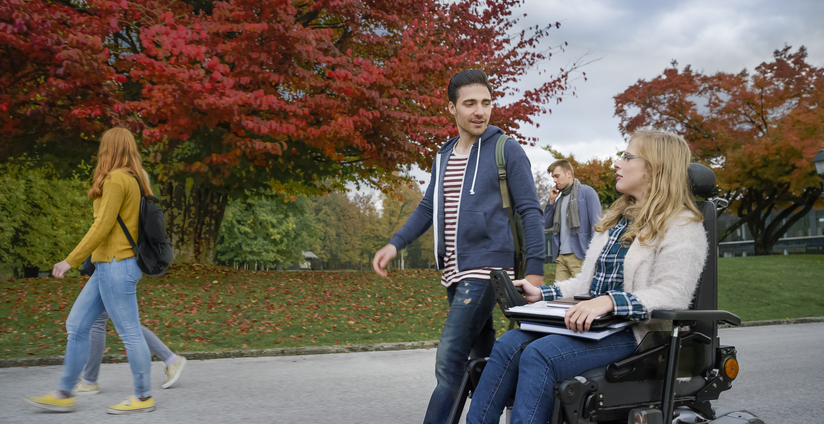
Community engagement can provide opportunities for students to explore interests, build relationships, experience joy, develop confidence, and participate in activities that are meaningful to them. Experiences within the community can support communication, self-advocacy, daily living skills, identity development, connection, and a sense of belonging over time.
Adulthood pathways look different for every person. Participation may include both formal programs and informal everyday experiences within the community. Some students may participate independently, while others may benefit from varying levels of support, accommodations, guidance, or planning. Meaningful participation does not need to look the same for every individual.
Transition planning can help students gradually build familiarity, comfort, confidence, and participation within community environments over time. Every day opportunities for connection, participation, and belonging can play an important role in supporting quality of life and well-being throughout adulthood. Students may move between pathways or participate in multiple pathways throughout adulthood as goals, interests, identities, and support needs change over time.
Community experiences can help students build and practice important core skills that support participation across school, home, and community environments. These skills may develop gradually over time through shared experiences, routines, relationships, and opportunities for participation.
Additional information about core skills can be found on the Core Skills page.
Community participation can also provide opportunities for students to build self-advocacy skills and increase confidence in communicating their needs, preferences, interests, boundaries, and goals.
Self-advocacy looks different for every student and may be supported through communication tools, Augmentative and Alternative Communication (AAC), visual supports, trusted relationships, co-regulation, accommodations, modelling, and opportunities for meaningful participation.
Additional information about self-advocacy can be found on the Advocacy page.
Opportunity | Description | Examples | Where to Find More Information |
| Municipal Recreation Programs | Many towns and cities offer recreation programs through local community centres and recreation departments. | These may include swimming lessons, fitness programs, pickleball, badminton, basketball, skating, cooking classes, art programs, dance classes, yoga, wellness programs, walking clubs, or seasonal camps and activities. | Information can often be found by visiting local town or city recreation websites, visiting a community centre, reviewing seasonal recreation guides, or speaking with recreation staff about available programs, accessibility supports, and registration processes. |
| Community Organizations | Community organizations may offer inclusive social, recreational, educational, cultural, or life skills opportunities for youth and adults. | Programs may include social groups, recreation programs, leadership opportunities, mentorship programs, life skills programs, community events, cultural programming, or recreational outings. | Some families find it helpful to search online for organizations within their local community, ask school staff or service providers for recommendations, connect with local agencies, or explore community event listings and organization websites. |
| Libraries | Public libraries often offer free or low-cost programs, activities, resources, and community spaces for youth and adults. | Programs may include book clubs, technology programs, game nights, craft programs, sensory-friendly activities, life skills workshops, volunteer opportunities, movie nights, community events, or quiet spaces for participation and connection. | Programs and events can often be found through local library websites, by visiting the library in person, speaking with library staff, reviewing community calendars, or signing up for newsletters and event updates. |
| Camps and Leisure Opportunities | Some organizations offer camps, respite opportunities, recreational programming, and leisure-based experiences for youth and adults with varying support needs. | These may include day camps, overnight camps, adapted recreation programs, nature programs, arts camps, sports camps, respite programs, or community-based leisure opportunities. | Information may be available through a town website, community organizations, developmental service agencies, online camp directories, or local service providers. Families may also wish to ask about registration processes, funding options, staffing supports, accessibility, and available accommodations. |
| Peer Programs and Social Groups | Peer programs and social groups may provide opportunities for students and adults to build friendships, communication skills, confidence, and community connection. | These may include youth groups, social clubs, mentorship programs, recreation-based social groups, shared interest groups, postsecondary peer programs, or community-based social opportunities. | Peer programs and social opportunities may be offered through schools, recreation programs, postsecondary institutions, community agencies, faith communities, or local organizations. School staff, transition teams, and community organizations may also be able to help families explore available opportunities within their area. |
| Community Living Organizations | Community Living organizations may offer supports and services for individuals with developmental disabilities across childhood, youth, and adulthood. | Supports may include community participation programs, supported employment, independent living supports, respite services, recreation programs, life skills programming, family support services, transition planning, or supported housing services. | Additional information can often be found through local Community Living organization websites, information sessions, Developmental Services Ontario (DSO), or by contacting organizations directly to ask about available services, eligibility requirements, funding, and waitlists. |
| Volunteer and Community Involvement Opportunities | Some students may wish to explore volunteer and community involvement opportunities connected to their interests, strengths, and goals. | Volunteer opportunities may include helping at libraries, recreation programs, food banks, community events, animal shelters, cultural organizations, camps, or local community programs. | Volunteer opportunities are often shared through organization websites, community event boards, schools, libraries, community agencies, or local businesses and organizations. Some organizations may also provide orientation, mentorship, or support for volunteers. |