

View PDF version of "The Individual Education Plan (IEP) - A Guide for Parents".
This website can be translated using the built in page web feature:
- Click the tab in the upper right corner of the site. You will see a drop-down menu that says "select language."
- Select the desired language for translation from the drop-down menu.
- All written text on the page will be translated
What is an Individual Education Plan (IEP)?
An IEP is a written plan. It is a working document which describes the strengths and needs of an individual exceptional pupil, the special education program and services established to meet that pupil’s needs, and how the program and services will be delivered. It describes the student’s progress, and includes a plan to support students in making successful transitions.
The IEP summarizes the following
- your child’s strengths and needs
- assessment data
- special education services provided to your child
- accommodations (supports, services that will help your child access the curriculum and demonstrate learning)
- program modifications (changes required to grade-level expectations in the Ontario Curriculum)
- alternative programs/courses not represented in the Ontario Curriculum (such as Personal Care, Orientation/Mobility Training, Auditory Verbal Intervention Strategies, and/or development of American Sign Language skills.)
- your child’s current level of achievement in each program area
- goals and specific expectations for your child
- assessment strategies for reviewing your child’s achievements and progress
- regular updates, showing dates, results and recommendations
- a Transition Plan
- medical/health supports/services
- a Safety Plan
How Does an IEP Work?
An IEP outlines the special education programs and services your child will receive. There are five phases in the development of an IEP:
- Gather information.
- Set the direction.
- Develop the plan.
- Carry out the planned activities.
- Review and update the IEP, including the Transition Plan and Safety Plan
As The Parent, What Role Do I Play?
Parents play a powerful supporting role in the IEP process and transition planning. It is important to understand and participate in the five phases of the IEP process. As well, be sure to ask for a copy of your child’s IEP, within 30 school days, so that you can support the planned activities at home.
You know things about your child’s approach to learning that no one else knows. Be sure to tell the teacher about your child’s:
- talents and abilities;
- likes, dislikes and interests;
- interest in extra-curricular activities;
- family relationships and dynamics (including extended family and pets);
- peer relationships and dynamics;
- family routines and schedules;
- hopes and dreams for the future including any short and/or long term goals; and
- how your child learns best (e.g., by doing, through demonstration, etc.)
Setting the Direction
How Do I Work as an Effective IEP Team Member?
Students are most successful when all team members work together towards achievable goals. As a parent:
- keep the focus on your child at all times;
- tell the teacher the hopes you have for your child’s learning;
- bring ideas and information;
- ask questions; and
- value everyone’s input.
All About ME/IPP
You may wish to consider asking your child about their All About Me portfolio (K-6) or Individual Pathways Plan (grades 7-12). As part of the Creating Pathways to Success: Education and Career/Life Planning Program, these tools support students in planning for their future as they engage in experiences and develop knowledge and skills in 4 key areas of learning:
- Who am I?
- What Is my plan for achieving my goals?
- Who do I want to become?
- What are my opportunities?
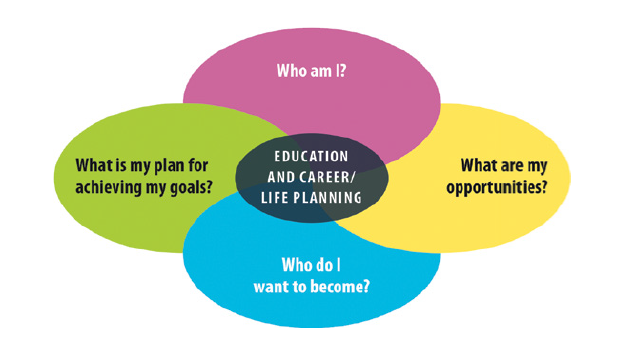
For more information, please see the Ministry Education site on Creating Pathways to Success.
You may also wish to consider providing information for your child’s teacher under the following headings:
- Physical
- Intellectual
- Educational
- Cultural
- Emotional
- Social
This may include:
- medical information
- self-care
- gross and fine-motor skills
- abilities at home
- strategies that have or haven’t worked
- communication strategies
- assessments
- learning styles
- examples of work and abilities
- motivation
- disposition
- emotional well-being
- cultural and language considerations
- social skills
- schoolyard interactions
- peer and adult interactions
- extra-curricular activities
What is a Transition Plan?
A written plan which outlines the daily, short term and long term changes to programs/pathways. Transitions may include:
- entry to school
- activity to activity
- class to class
- between grades
- school to school
- elementary school to secondary school
- secondary school to education, career, community, and life pathway
Contained within the transition plan are:
- individual goals
- actions required to achieve those goals
- identified individuals responsible for the actions required
- specific timelines for completion
A Transition Plan is developed in collaboration with students and their families, the school, community agencies and post-secondary partners as appropriate and is reviewed and updated as part of the IEP review process.
Developing the IEP
How can I Contribute to Planning Goals for my Child?
Beginning with your child’s strengths and needs is an important first step. You can help by engaging in discussions with your child and their teachers around establishing short term and long term goals.
Carrying Out the IEP
There are many things you can do at home to help your child to reach their goals.
- Talk to the teacher about what your child plans to accomplish.
- Do what you can at home to support your child’s goals.
- Take every opportunity to communicate with your child’s teacher.
- Provide additional insights and resources to the school.
- Share significant personal/family events as relevant.
Review and Update the IEP
Your child’s progress toward their goals will be reviewed. Then, the IEP will be updated to include different strategies, approaches, and/or resources considered necessary to help the learning process.
- Talk to your child’s teacher about the goals that have been set.
- Communicate regularly with your child’s teacher regarding progress.
- Look for evidence of growth towards goals on your child’s report card.
- Recommend changes in goals, strategies and/or resources or support where you see a need.
- Be actively involved in discussions at school when your child is changing grades, schools or moving into the workplace.
YRDSB SEAC Members
Many organizations represented on the YRDSB's Special Education Advisory Committee (SEAC) are available to support you in understanding the IEP, and/or to provide additional resources.
The following organizations are currently represented on the Board’s SEAC:
- Association for Bright Children of Ontario - York Region North
- Association for Bright Children of Ontario - York Region South
- Autism Ontario Central East Region
- Children’s Treatment Network of Simcoe York
- Community Living Georgina
- Community Living Central York
- Community Living York South
- The Down Syndrome Association of York Region
- Early Intervention Services of York Region
- Easter Seals of Ontario
- Learning Disabilities Association of York-Simcoe
- Ontario Parents of Visually Impaired Children (OPVIC)
- VOICE for Deaf and Hard of Hearing Children
- Your Support Services Network